



Learn what a linear motor is with PMS Vietnam
As the domestic industrial economy grows, demand for precise and efficient manufacturing keeps rising. To meet this demand, linear motors have become an optimal solution. With precise operation, high speed and high reliability, linear motors are increasingly used across industries, especially those that require absolute precision, such as phone manufacturing, semiconductor materials, lithium batteries, etc. So what is a linear motor?
Introduction to linear motors
The linear motor (Linear motor) is one of the newest advanced technologies in motion and drive. It is designed to convert electrical energy into straight-line motion without mechanical parts such as gears, belts or lead screws. With fast, precise direct-drive operation and high efficiency, the linear motor is becoming an optimal solution for modern technology applications.
1. Construction of a linear motor
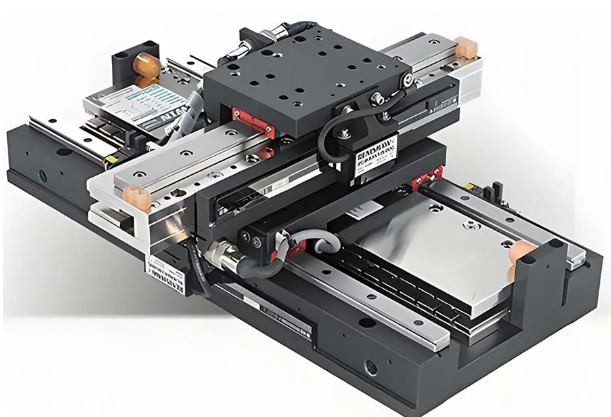
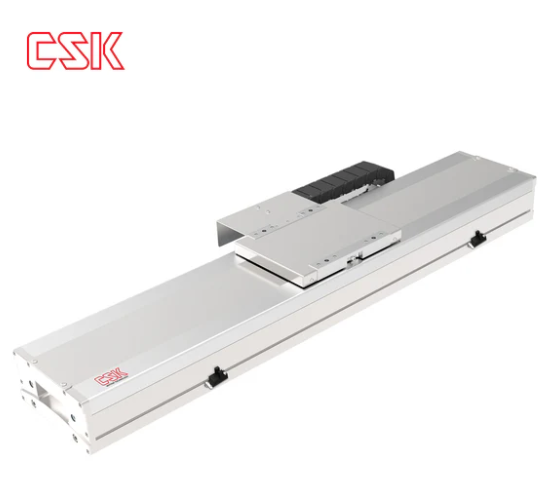
With a simple, efficient design, a linear motor is made up of several main parts that work together to create linear motion. Below are the details of each component:
- The stator is the stationary part of the motor. The stator contains coils that generate a magnetic field to interact with the rotor and produce thrust.
- The rotor is the moving part of the motor. Its job is to convert electrical force into straight-line motion.
- The encoder is used to measure the speed and position of the moving axis. It also provides accurate feedback to the control system.
- The photoelectric sensor detects the limit positions of the slide.
- The support frame keeps the components running stably and protects them from dust during operation
2. Operating principle
A linear motor works on the principle of interaction between a magnetic field and electric current. Unlike traditional rotary motors, a linear motor produces straight-line motion rather than circular motion.
Specifically, when current flows through the coils in the motor, they generate a magnetic field. This field interacts with other magnetic fields, from permanent magnets or other coils, producing a pushing or pulling force. This force acts on part of the motor, making it move along a straight line.
To control the motor’s motion, the strength and direction of the current through the coils are varied. As the current changes, the magnetic field changes too, producing alternating push and pull forces. As a result, the moving element of the motor travels continuously in a given direction.
3. Applications of linear motors
- CNC machine tools, lathes..
- Semiconductor equipment manufacturing
- Industrial robots
- Cleanroom environments…
4. Conclusion
Linear motors not only deliver outstanding benefits in performance and precision but also open up many opportunities for modern industries, raising production value.
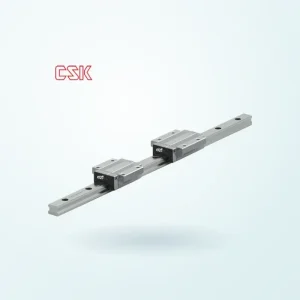
PMS Vietnam is proud to be the authorized distribution representative for CSK motor linear motors. Contact us for solution advice: Hotline: 0946.055.568 – Email: sales@miktech.com.vn